
Innovation lab transformation for UAE schools
Some schools are not starting from a single room or a single subject — they want to develop innovation learning across the school and need a plan that ties it together. EduStream helps schools do exactly that: moving from individual products or spaces towards a coordinated approach that connects learning environments, curriculum, teachers and students.
This page describes EduStream’s documented planning and implementation approach — not a separate lab type. It brings together the right learning environments, the curriculum that runs in them, the training that supports teacher confidence, and the support that keeps everything working — shaped around the school’s requirements and agreed project scope.
EduStream works as an education implementation partner, not only an equipment supplier — helping schools plan, implement and sustain innovation learning over time.
What is an innovation lab transformation?
An innovation lab transformation is a coordinated way of developing a school’s innovation learning, rather than a single piece of equipment or one room. It brings together the learning environments a school needs, the curriculum delivered in them, teacher readiness, and ongoing support — planned as one implementation instead of a series of disconnected purchases.
For a school, that can mean anything from setting up a first dedicated space to connecting several existing environments and programmes into a clearer whole. What it includes depends on where the school is starting from and what it wants to achieve.
Why schools transform learning environments
Schools often invest in individual products, spaces and programmes at different times, and coordinating them into a consistent approach can be challenging. When a space is not timetabled, when teachers have not yet had training on new equipment, or when a programme is not connected to the curriculum, the different parts can work in isolation. A coordinated approach plans these elements together, so they support one another and are used consistently across the school.
- connect learning environments, curriculum and teaching rather than planning them separately
- support teacher confidence so spaces and tools are used consistently
- plan innovation learning across year groups rather than in isolated pockets
- phase decisions over time, aligned with the school’s priorities and budget
Taking a coordinated view can help a school:
The aim is a joined-up approach, planned around the school’s own objectives.
Planning the transformation
Planning starts with the school’s goals, not a product list. Working with the school’s leadership and teaching teams, EduStream helps assess where the school is now, what it wants students to be doing, and what it will take to get there. Depending on the school, planning can include:
- a needs assessment with school leadership and teaching teams
- a review of existing spaces, equipment and programmes
- educational and technical recommendations aligned with the curriculum and age groups
- a proposal and solution design setting out scope, spaces and resources clearly
- a sensible sequence for implementation over time, subject to the agreed project scope
Learning spaces and technology
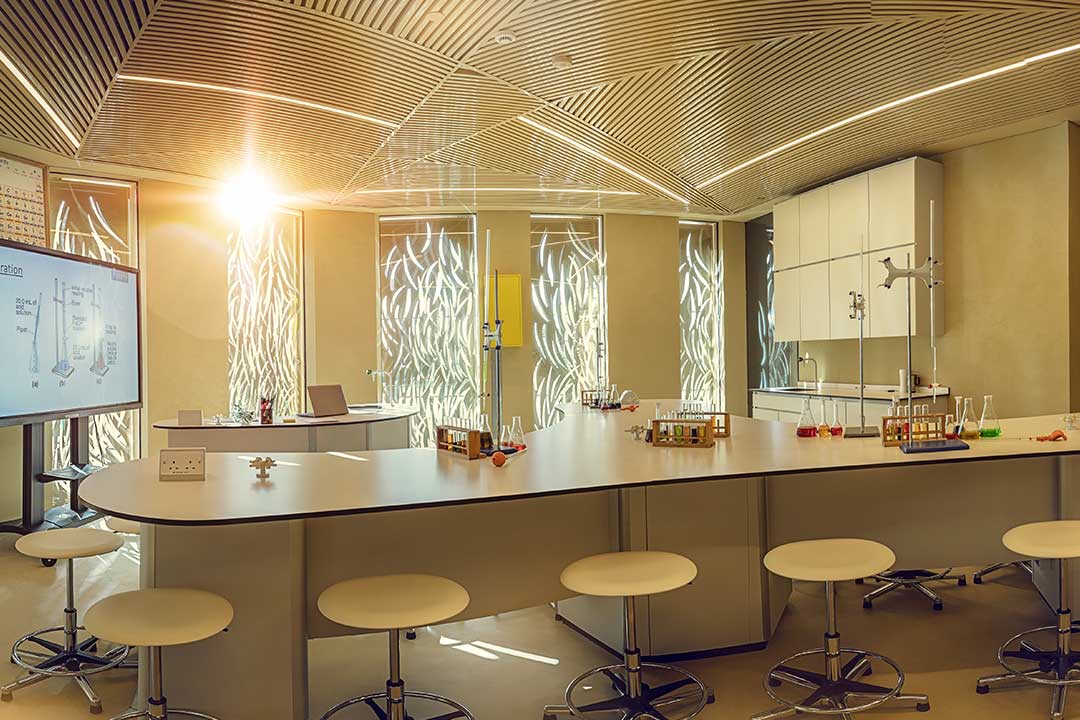
A transformation plan draws on the learning environments that fit the school’s goals — it does not replace them. Depending on the plan, that can include one or more of EduStream’s environments, chosen for what the school wants students to learn:
- an AI and robotics lab, for a dedicated focus on AI, robotics, coding, electronics and engineering
- a STEAM lab, for broad, cross-disciplinary STEAM learning across several year groups
- a makerspace or Design Technology lab, for making, prototyping and fabrication
Each of these has its own page and its own detail; the role of a transformation plan is to decide which are right for the school and how they work together. Equipment is chosen to fit the curriculum and space, aligned with the relevant age groups.
Curriculum integration
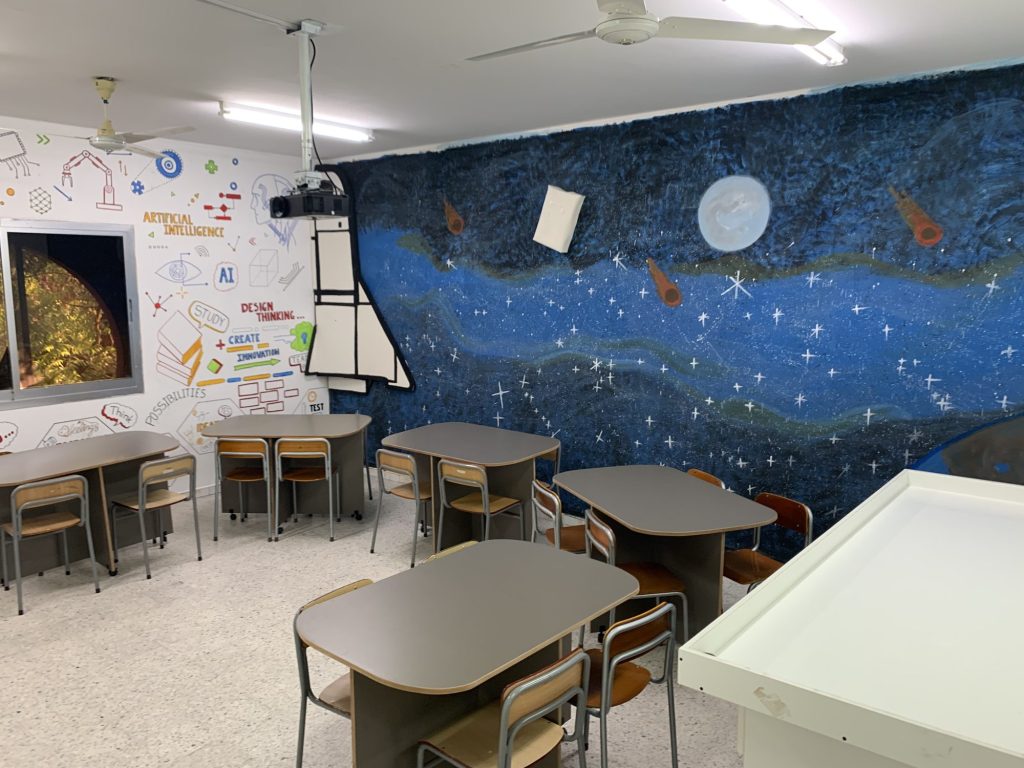
Spaces and equipment only deliver when there is a clear curriculum running through them. A transformation plan connects the environments to structured learning, so innovation is part of what students actually do week to week rather than an occasional activity.
Curriculum support can include scope and sequence, lesson resources, teacher guides, learner resources and access to structured online learning — aligned with the equipment in each space, the relevant age groups, and the school’s own educational objectives.
See curriculum and school programmesSee LMS and digital learning
Teacher readiness
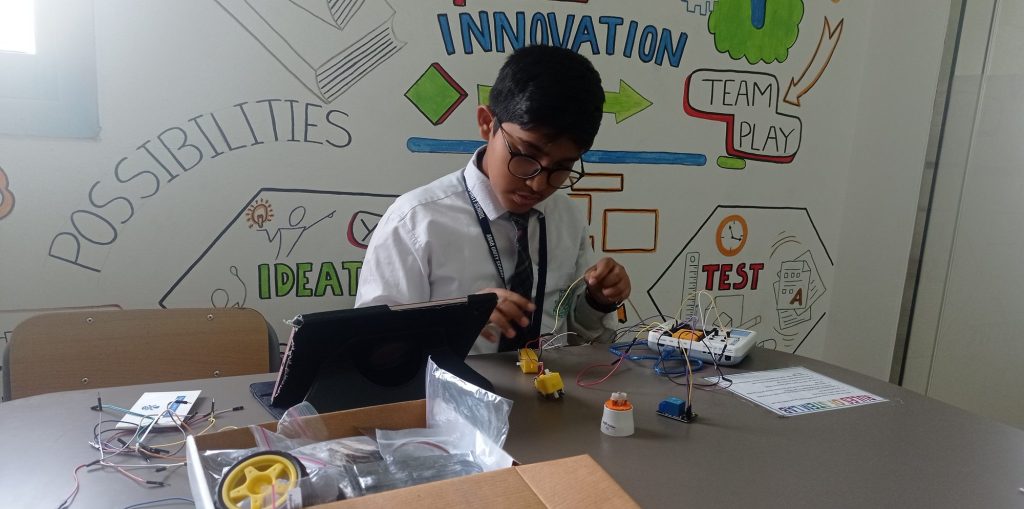
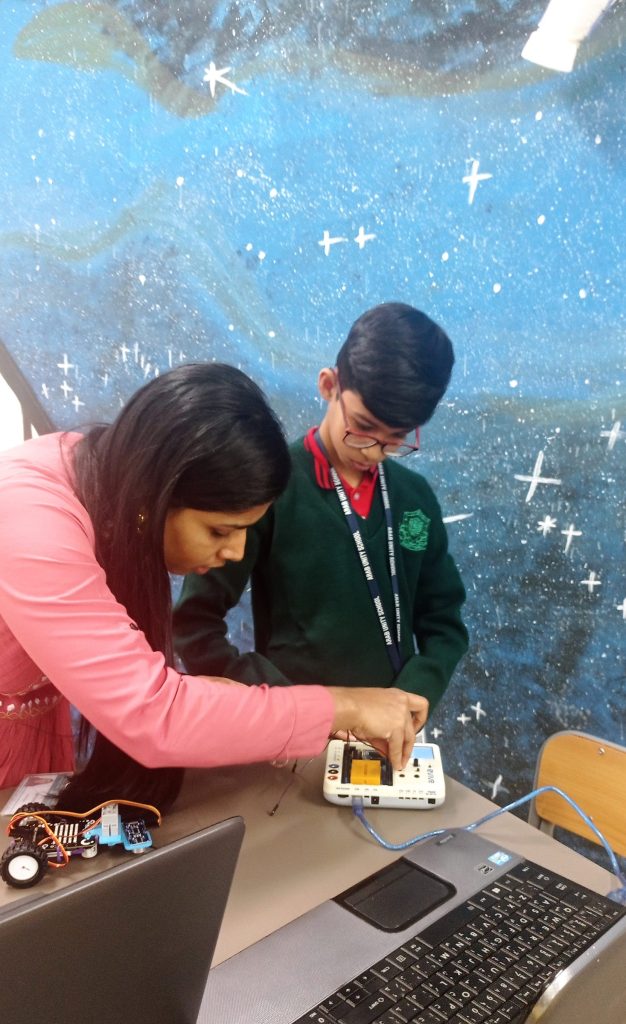
A transformation is only as strong as the teachers delivering it. Supporting staff confidence across the environments in the plan is central, so the approach does not depend on one or two enthusiasts. Training can cover platform and product use, curriculum implementation, and the relevant teaching approaches for each environment.
It can begin with initial onboarding and continue as professional development as the school’s programmes develop, supporting teacher confidence and more consistent use, and helping the school work towards embedding innovation learning into everyday teaching.
Implementation process
Once a plan is agreed, implementation follows a clear sequence, adjusted to the school’s timeline, budget and academic calendar. The stages below are an adapted public summary of EduStream’s documented delivery journey; the final review-and-expansion stage of that journey is represented separately by the Long-term partnership section that follows.
Discovery and school-needs assessment
Understanding the year groups, curriculum, existing resources, spaces and goals.
Educational and technical recommendation
What suits the school’s context, age bands and curriculum.
Proposal and solution design
Scope, spaces, environments and resources set out clearly.
Implementation and installation
The agreed environments and infrastructure delivered and set up.
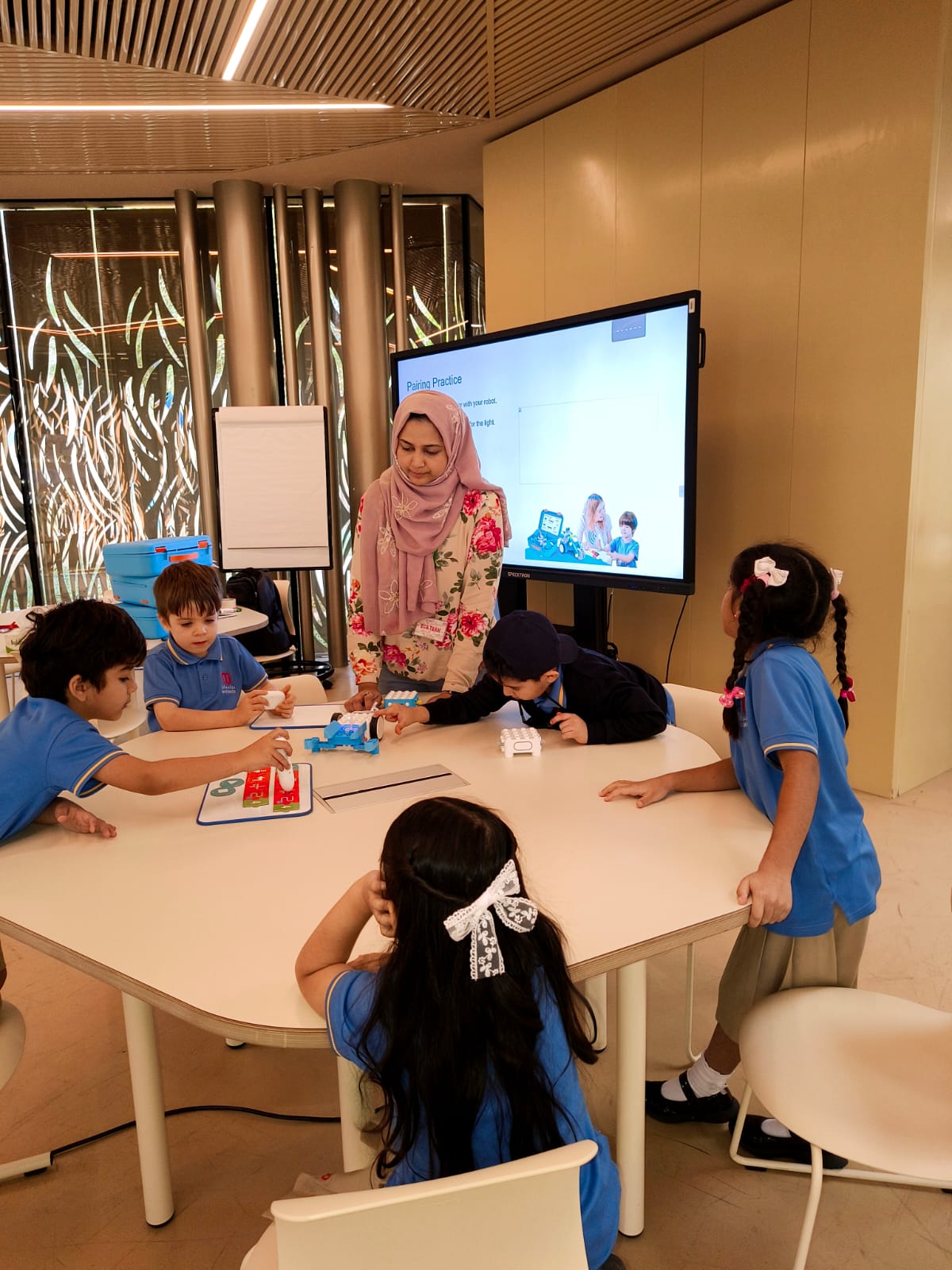
Teacher training and handover
Staff shown how to use the spaces and resources.
Curriculum and programme delivery support
Helping the school put the environments to work in lessons.
Student engagement
Connecting classroom learning to workshops and wider opportunities.
Ongoing and after-sales support
Keeping the environments and programmes running over time.
Long-term partnership
Innovation learning is not a one-off purchase; it develops as the school does. EduStream’s approach is a long-term partnership — reviewing what is working, supporting teachers as programmes grow, and helping the school expand or adapt its environments over time.
Depending on the project, ongoing support can include consultation, technical support, troubleshooting, warranty coordination, after-sales service, and continued curriculum and programme support, aligned with the school’s requirements and the agreed project scope. Our UAE-based team works with schools throughout planning, implementation and ongoing support, aligned with procurement processes and the academic calendar.
Plan your school’s innovation learning
Whether you are developing an innovation strategy from scratch or connecting environments and programmes you already have, the first step is a conversation about your school’s goals and requirements.
Discuss your school’s requirementsSend your lab requirements
