
AI and robotics labs for UAE schools
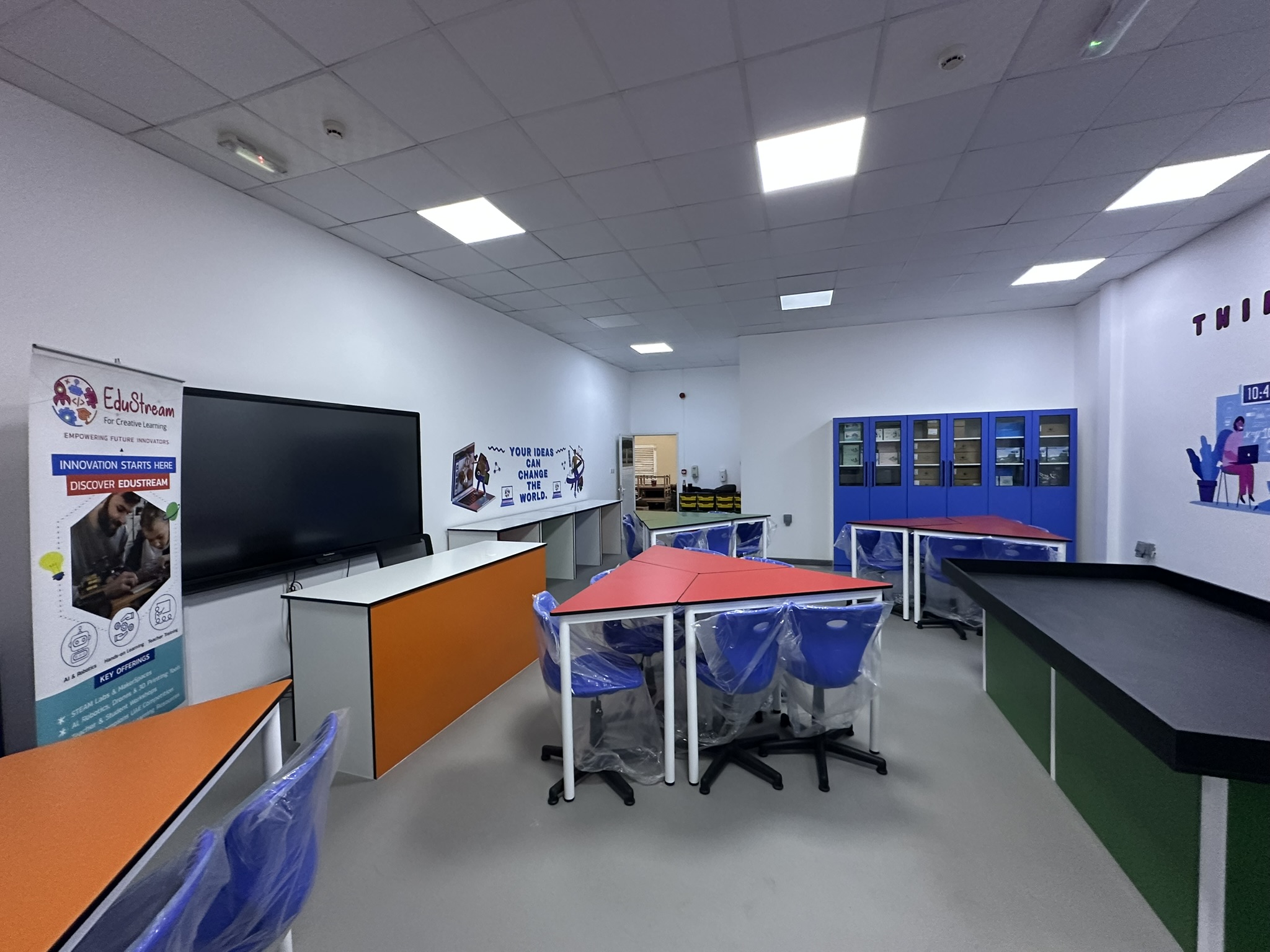
Schools that want to teach AI, robotics, coding, electronics and engineering need a dedicated space designed for it — one planned around the year groups being taught and the outcomes the school is aiming for. An AI and robotics lab gives students that space to learn and build.
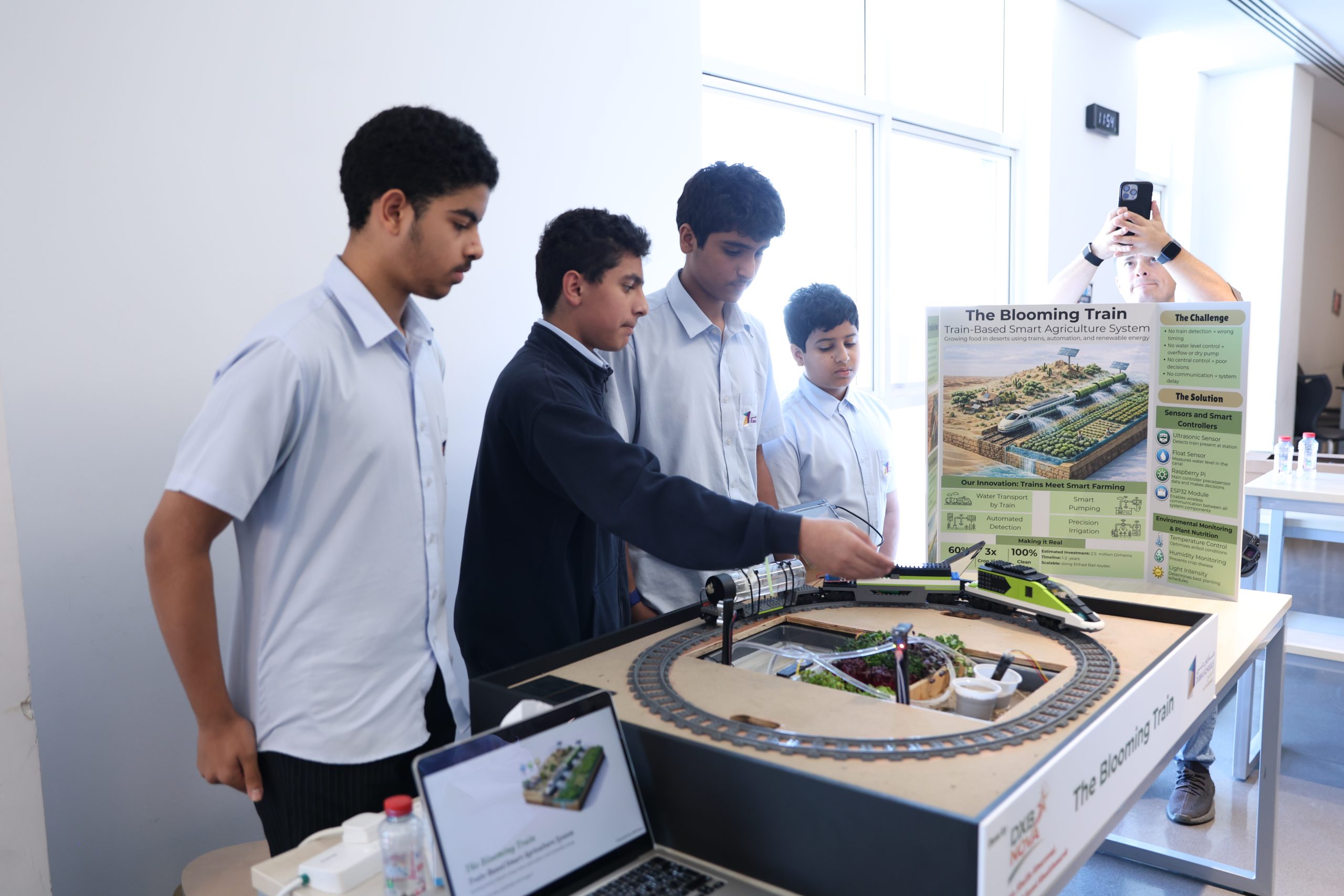
EduStream plans and implements these environments end to end: not just the equipment, but the curriculum, teacher training and support that make the space usable from the first lesson.
Schools rarely need only a set of kits — they need a learning environment that fits the timetable, teachers who are confident running it, and someone local to call when something needs attention. We work across each of those stages.
What an AI and robotics lab supports
An EduStream AI and robotics lab is built around educational outcomes first, then the technology that delivers them. Depending on the age groups and curriculum, the environment can support learning in:
Artificial intelligence and AI literacy
Robotics
Coding and computational thinking
Electronics and physical computing
Engineering and hands-on problem solving
The environment is designed to be age-appropriate, so the same lab can serve different year groups with the right activities for each.
What an implementation can include
Every project is scoped around the school’s requirements, so no two are identical. Depending on what a school already has and what it wants to achieve, an implementation can include:
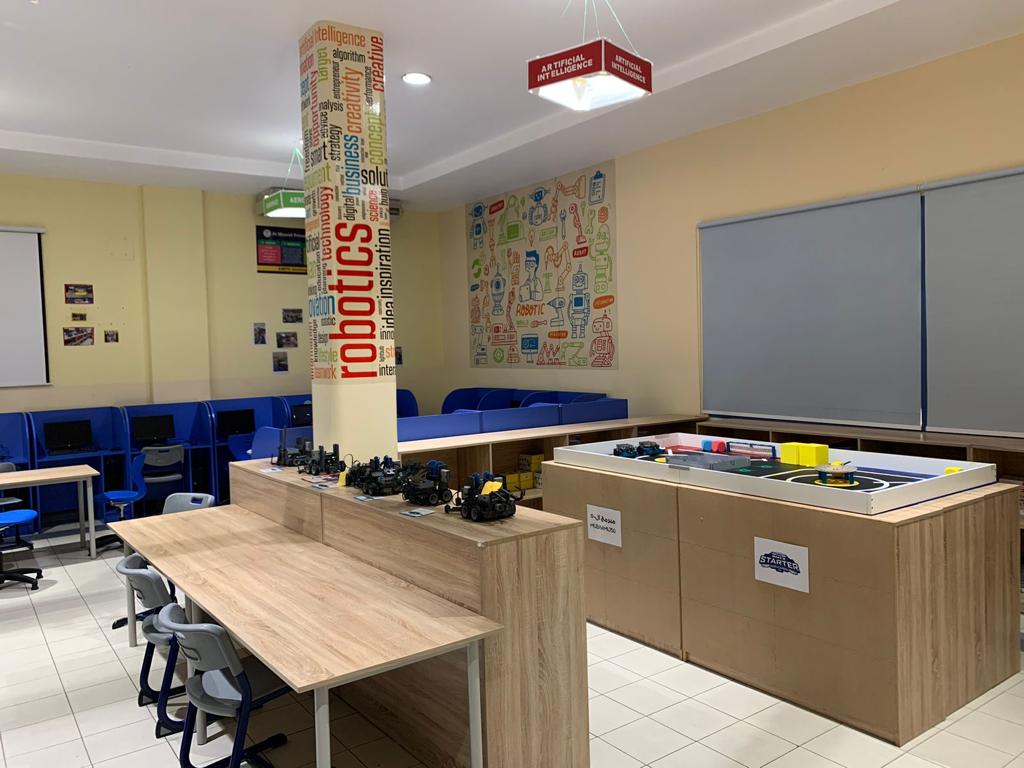
- a needs assessment with the school’s leadership and teaching teams
- lab concept and resource planning
- educational technology and equipment
- storage, work areas and supporting infrastructure
- curriculum and lesson resources
- teacher training
- student programmes
- technical handover and ongoing support
These work best together. Equipment without curriculum tends to sit unused, and curriculum without teacher training rarely survives the term — so we plan them as one implementation.
Curriculum and learning pathways
A lab is only as strong as what is taught in it.
Curriculum works best when it is aligned with the equipment in the lab, the relevant age groups, and the school’s own educational objectives.
See curriculum and school programmesSee LMS and digital learning
Curriculum support can include:
- scope and sequence
- lesson plans
- teacher guides
- learner resources
- assessment and rubrics
- practical missions
- access to structured online learning
So the environment is supported by a clear pathway rather than one-off activities.
Teacher readiness
A new environment only works if teachers are confident using it.
It can begin with initial onboarding and continue as professional development as the school’s programmes develop.
Training can cover:
- platform and product use
- curriculum implementation
- coding and robotics pedagogy
- AI literacy and responsible AI
Student engagement and competitions
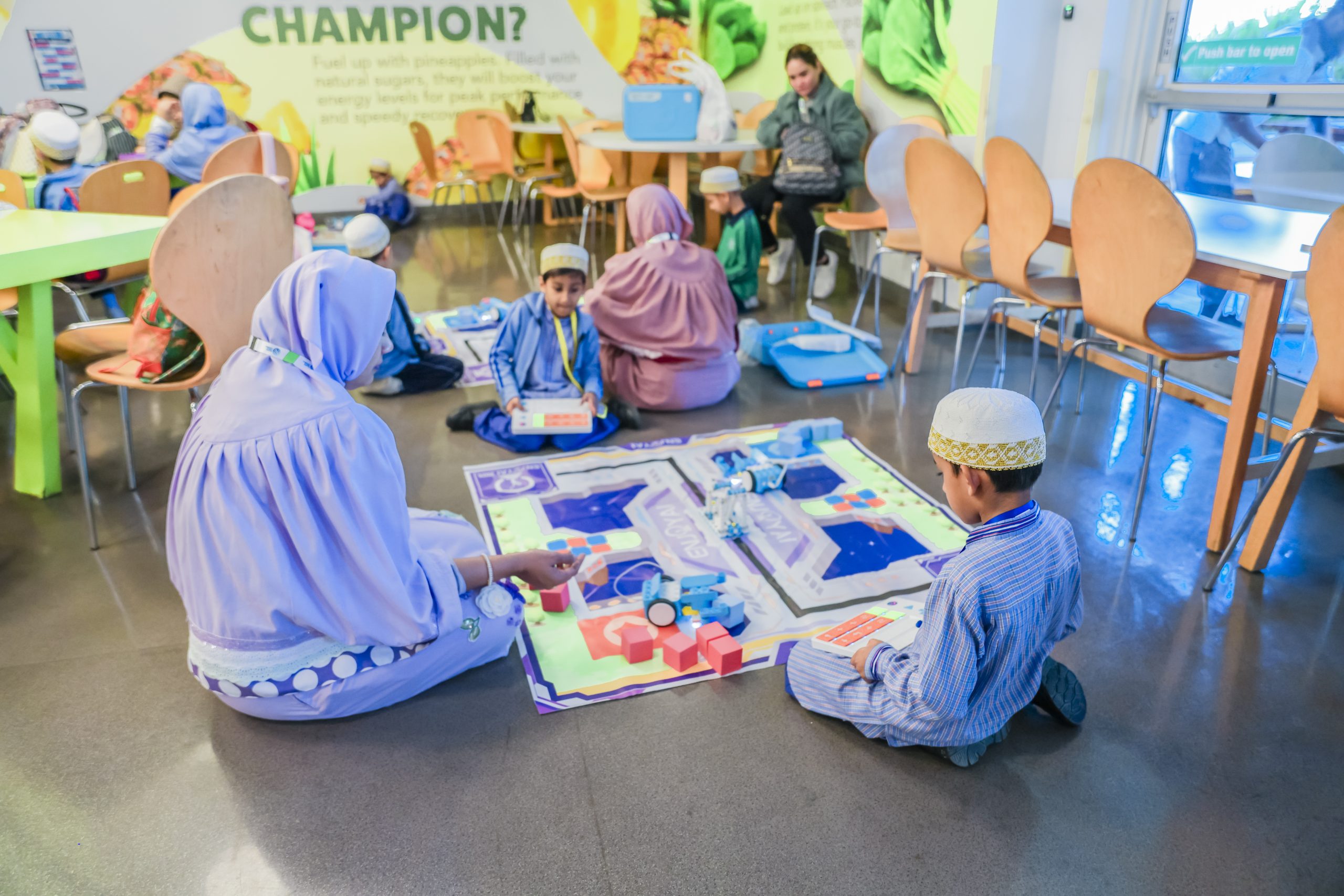
Learning lands when students build something real. Workshops, enrichment sessions and competitions can extend classroom learning and give students a reason to keep going — including STEAM Champions, an EduStream initiative.
Not sure an AI and robotics lab is the right fit?
Some schools want a broader, cross-disciplinary space rather than a dedicated AI and robotics environment, or a space focused on making and fabrication. It is worth comparing the options before deciding.
STEAM labs
A broader, cross-disciplinary STEAM environment for schools that want one flexible space supporting science, technology, engineering, arts and mathematics learning across several year groups.
Makerspaces and Design Technology labs
Space for making, prototyping and fabrication — including design and technology equipment, 3D printing, laser cutting, and electronics and physical computing — with safe-use training and curriculum integration.
Implementation and support
Implementation continues beyond installation. A lab is only useful once teachers are running it and students are learning in it, so schools need a partner who is still there afterwards.
Depending on the project, support can include:
- consultation and demonstrations
- installation and configuration
- teacher training
- technical documentation
- troubleshooting
- warranty coordination
- spare-parts support where applicable
- after-sales service
Our team is based in the UAE and works to the realities of school procurement, implementation and the academic calendar.
How we start
Most schools want to know what happens after the first conversation. The first stages are straightforward:
Discovery and school-needs assessment
understanding the year groups, curriculum, existing resources, space and outcomes the school is aiming for.
Educational and technical recommendation
what suits the school’s context, age bands and curriculum.
Proposal and solution design
the scope, layout and resources set out clearly.
From there, implementation, teacher training, delivery support and ongoing support follow.
Plan your school’s AI and robotics lab
Whether you are planning a new lab, reviewing a space that is not being used, or working out what your teachers need, the first step is a conversation about your school’s requirements.
