
STEAM Lab — Solution Detail

Integrated STEAM environments for UAE schools.

EduStream can design and implement STEAM learning environments that connect science, technology, engineering, arts and design, mathematics, coding, robotics, fabrication and project-based learning — shaped around each school’s requirements and agreed project scope.

INTERFACE ILLUSTRATION S T E A M
EduStream integrated STEAM laboratory learning environment

Interdisciplinary STEAM focus

Where science, engineering, maths and creativity meet on one project.

A STEAM Lab is configured for challenge-based, interdisciplinary investigation — students design experiments, engineer solutions, apply mathematics and present findings across connected subjects.

Technical components

  • Science investigation & measurement tools
  • Engineering & fabrication stations
  • Mathematics & data-analysis resources
  • Creative design & presentation media
  • Challenge-based project kits

Example projects

  • Engineer a water-filtration system and test it
  • Model bridge loads with maths and materials
  • Run a cross-subject sustainability challenge

Educational outcomes

  • Interdisciplinary problem solving
  • Scientific method & experimental design
  • Engineering, fabrication & project presentation
Key buyer question: How do we connect science, engineering and maths into one assessable, challenge-based journey?

Who it’s for

Built around the people who plan STEAM provision.

Schools approach a STEAM lab from different starting points — some have an allocated space and are deciding how to equip it, others are making the case for a new facility, and others want a more purposeful programme around existing resources.

SL

School leaders

Strategic fit, long-term value and confidence in delivery.

ST

Heads of STEAM, Innovation & ICT

Technical fit and how the lab connects subjects and teaching.

CU

Curriculum leaders

Cross-subject progression, scope, sequence and assessment.

DT

Design Technology teams

Making, prototyping and design-and-build activity.

PR

Procurement & operations

Delivery capacity, installation, timelines and support.

What a project can involve

What EduStream delivers.

Each project is shaped by the school’s requirements. Depending on what is agreed, support can include some or all of the following. Not every project includes every component.

Consultation & environment design

  • Needs assessment
  • Space and learning-zone planning
  • Investigation, making and display areas
  • Safety considerations

Equipment & tools

  • Technical specification
  • Equipment and tools
  • Coding and robotics components
  • Fabrication and prototyping resources

Curriculum & people

  • Curriculum, teacher guides and learner resources
  • Teacher training
  • Setup and technical handover
  • Ongoing support
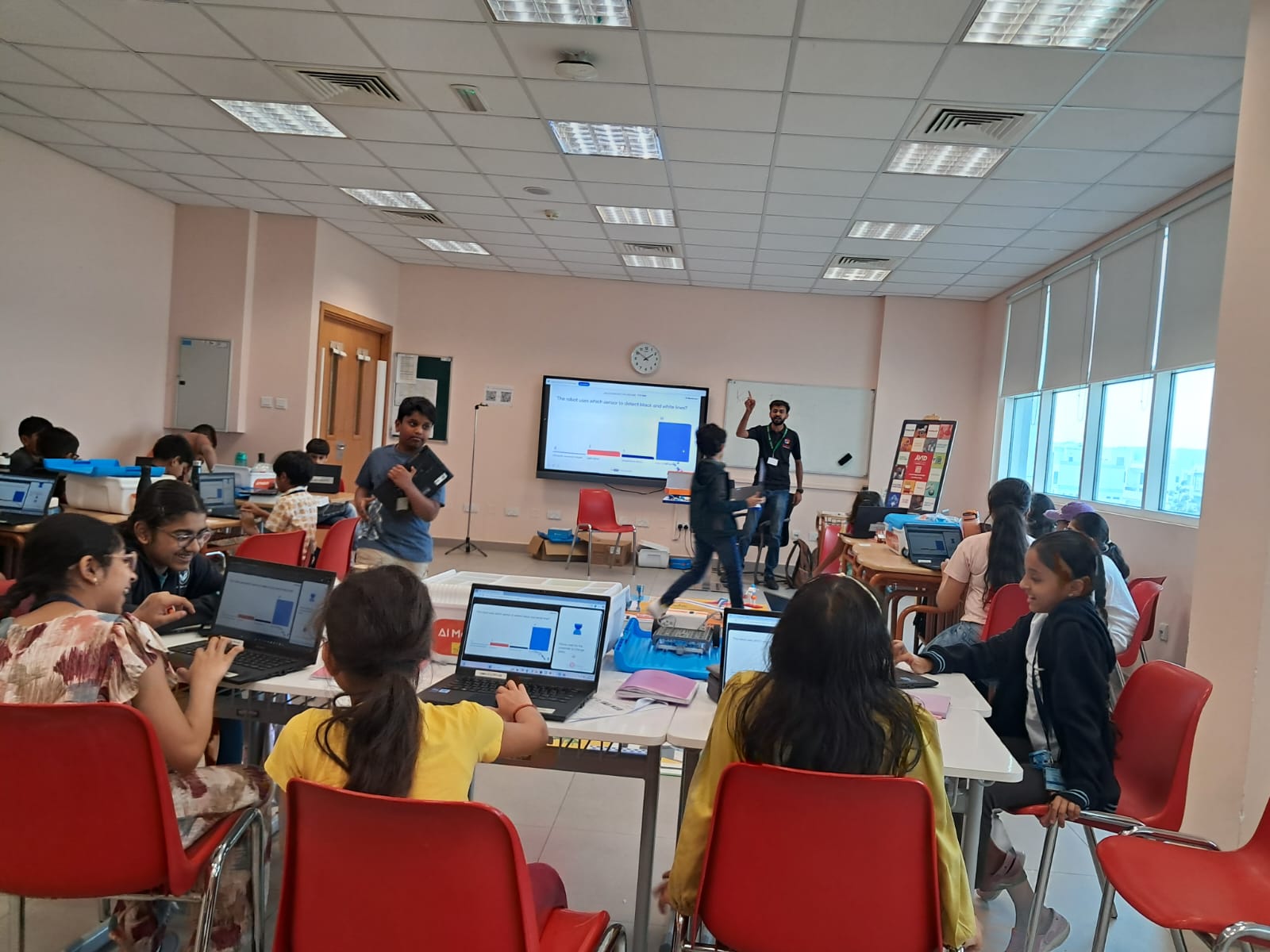
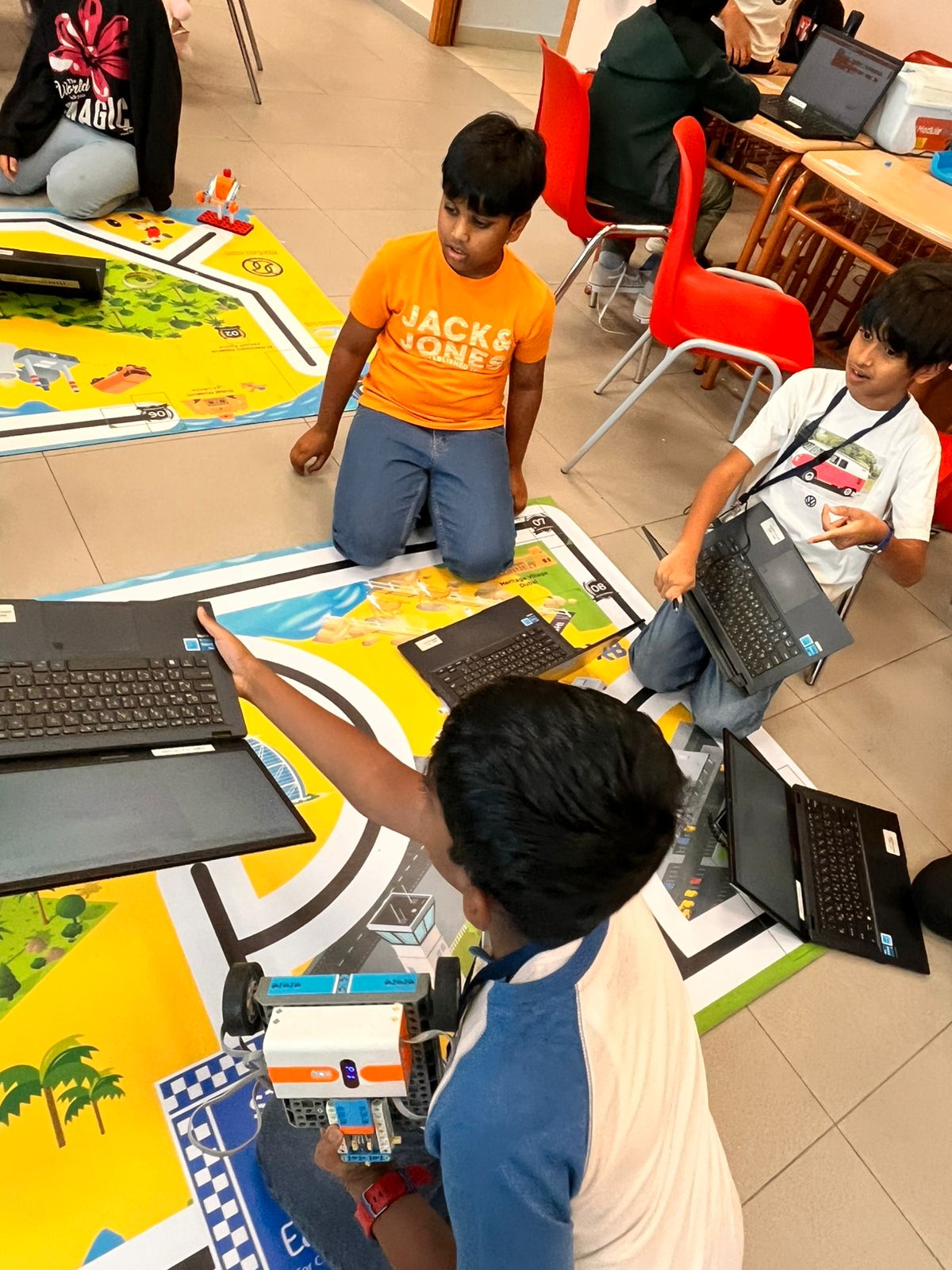
Practical STEAM project-based learning

Configuration directions

STEAM lab configuration models.

These are configuration directions rather than fixed commercial packages. The right approach depends on age groups, subjects to connect, available space and curriculum priorities.

Foundation

Primary STEAM Exploration Space

An active, flexible environment introducing cross-subject investigation and making for younger learners.

Core

Coding, Robotics & Engineering Lab

A space connecting coding and robotics with engineering design-and-build challenges.

Make

Fabrication & Prototyping Lab

Tools and workstations for designing, prototyping and testing physical artefacts.

Integrated

Integrated STEAM Innovation Lab

A comprehensive environment connecting science, technology, engineering, arts and mathematics in one space.

Learning across subjects

Curriculum and learning pathway.

A STEAM lab is defined by what it allows students to do — investigate, design, build, test and present. Where included in scope, projects connect resources to structured, age-appropriate progression.

Age-banded progression

Activities sequenced across year groups and skill stages for continuity and challenge.

Challenge-based learning

Briefs that give students a reason to draw on knowledge from multiple subjects.

Design-build-test cycles

Students plan a solution, build a prototype, evaluate and refine their approach.

Science investigations

Forming hypotheses, designing experiments, observing, recording and analysing.

Coding & robotics

Connecting digital thinking with physical systems through sensors and programming.

Engineering challenges

Defining a challenge, planning, building and evaluating functional outcomes.

Creative design

Product design, modelling, visual communication and creative practice.

Assessments

Activity resources and approaches that help teachers evidence progress.

Exhibitions & competitions

Showcases and pathways to student competitions, including STEAM Champions — an EduStream initiative.

Fabrication and prototyping in the STEAM lab

Teacher preparation

Teacher capability.

Teacher confidence and clarity influence how a school uses a new STEAM environment. Different forms of support address different needs.

Equipment training

Practical onboarding — how resources and equipment work and how to use them with students.

STEAM pedagogy

Structured development supporting cross-subject lesson design and engagement.

Project-based learning

Running practical, challenge-based projects that connect subjects and resources.

Lesson implementation

Planning session sequences and integrating the lab into the timetable.

Assessment

Approaches to monitor and evidence student progress across activities.

Launch support

Preparation ahead of go-live so teachers are ready from the outset.

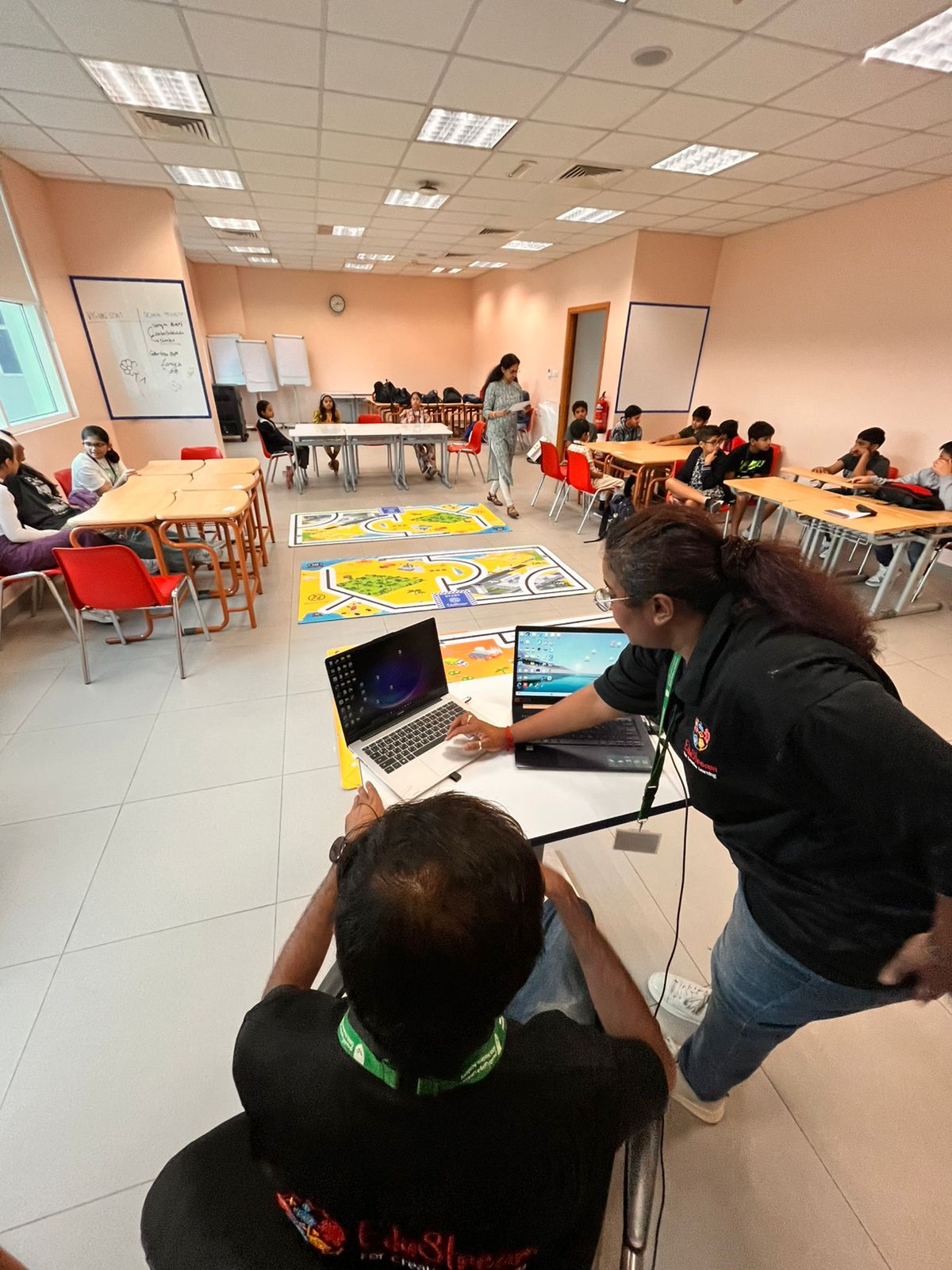
EduStream teacher training for STEAM pedagogy

Technical components

What a STEAM lab can include.

Expand each area below. Components are selected for the school’s requirements — not every project includes every element.

Learning Zones
  • Investigation and experimentation areas
  • Making and building workstations
  • Display and presentation areas
  • Storage and material flow
Tools and Equipment
  • Educational technology and tools
  • Sensors, microcontrollers and interfaces
  • Measurement and investigation resources
  • Selected for age group and subject priorities
Coding and Robotics
  • Coding platforms by age group
  • Robotics kits and components
  • Programming environments
  • Connecting digital thinking with physical systems
Fabrication and Prototyping
  • Design and prototyping tools
  • Build-and-test materials
  • Modelling and fabrication resources
  • Workstations and safety provision
Curriculum and Resources
  • Cross-subject activity guides
  • Project challenges and briefs
  • Investigation materials
  • Assessment and rubric resources
Training, Implementation and Support
  • Teacher preparation and professional development
  • Installation and configuration
  • Planned handover to the school team
  • Technical assistance and after-sales support

Why structured implementation matters

Educational and operational value.

Value comes from how a STEAM environment is planned, delivered and supported — without promising specific grades, guaranteed engagement or particular results.

Structured implementation

A planned path from concept to handover, not equipment alone.

Cross-subject progression

Activities matched to year groups and connected across subjects.

Teacher readiness

Preparation so teachers can deliver with confidence.

Technical coordination

Specification, installation and handover managed coherently.

Learner engagement

Practical, project-based activity across disciplines.

Reporting

Approaches that help teachers monitor and evidence progress.

Scalability

Configurations that can grow with the school’s needs.

Support

Technical assistance and after-sales options agreed in scope.

STEAM Champions — an EduStream initiative

Common questions

Frequently asked questions.

Can a STEAM lab be created in an existing space?

Yes. Projects can include upgrading an existing science, technology or multi-subject room into a more purposeful environment. EduStream can review the available space and how it fits the school’s curriculum priorities before recommending an approach.

Does every project include the same equipment?

No. A STEAM lab is not defined by a single type of equipment. Resources, tools and layout are selected for the school’s age groups, the subjects it connects and its priorities — not from a fixed product list. Not every project includes every component.

Can curriculum and teacher training be included?

Where included in the agreed scope, projects can provide curriculum and activity resources plus teacher preparation — from introductory onboarding to more structured professional development. Curriculum support is not automatic on every lab project and can be discussed during consultation.

How are different age groups considered?

Learning areas, resources and activities can be shaped by the age groups the lab serves, with age-appropriate progression across year groups and skill stages.

What support is available after implementation?

Support options after delivery — technical assistance and after-sales service — are agreed as part of the project scope rather than included automatically.

Can the lab connect to competitions or programmes?

Yes. A STEAM lab can complement student programmes and competitions, including STEAM Champions — an EduStream initiative — providing an additional context for the practical work students develop in school.

Working across subjects

What makes a STEAM lab different to a single-subject room

A STEAM environment is defined by how it connects science investigation, engineering design, arts and communication, and mathematics within one project workflow — from first question to a presented outcome.

Challenge-based workflow

Spaces and resources arranged so a class can move from investigation to design, build, test and presentation within a unit.

Science & engineering zones

Provision for investigation alongside engineering design — measuring, testing and iterating on physical solutions.

Arts, maths & communication

Room for prototyping, data representation and the presentation of findings, so the A and M in STEAM are not an afterthought.

Flexible learning zones

Reconfigurable furniture and storage so the same room supports group challenges, quiet analysis and showcase sessions.

Designing a STEAM lab around interdisciplinary work

A STEAM environment is defined less by a single technology and more by how science investigation, engineering design, the arts and mathematics come together in one project workflow. These are the considerations schools tend to focus on when the goal is challenge-based, cross-subject learning.

Challenge-based project workflow

Structuring an investigate–design–prototype–present cycle so a single brief draws on several subjects rather than teaching each discipline in isolation.

Science & engineering investigation

Bench space and equipment that let students test hypotheses and iterate on engineering designs, with room for the measurement and recording that real investigation requires.

Arts, communication & maths

Tools for visual communication and presentation alongside applied mathematics, so the arts and mathematics are genuinely integrated rather than decorative.

Flexible, reconfigurable zones

Furniture and layout that move between whole-class teaching, small-group collaboration and individual prototyping within one lesson, supporting different stages of a project.

Scroll to Top